October 28, 2026
A well-designed deck can expand usable outdoor living space while adding structure and visual appeal to a property. The material selected for the project plays a major role in appearance, maintenance needs, durability, and long-term performance. Homeowners considering deck installation have several options available, ranging from traditional wood to newer composite and metal products, each with different characteristics that can influence the finished result.
Material preferences also reflect broader trends in construction and outdoor living. According to ResearchAndMarkets, metal decking accounted for the largest revenue share in 2024 at 59.6%, largely because of its durability and structural strength. Although residential decks can be built from several different materials, understanding how the leading options compare can help homeowners have more productive conversations with professional contractors and choose a material suited to their property's design, climate, and intended use.
Choosing Pressure-Treated Wood
Considering Its Traditional Appearance
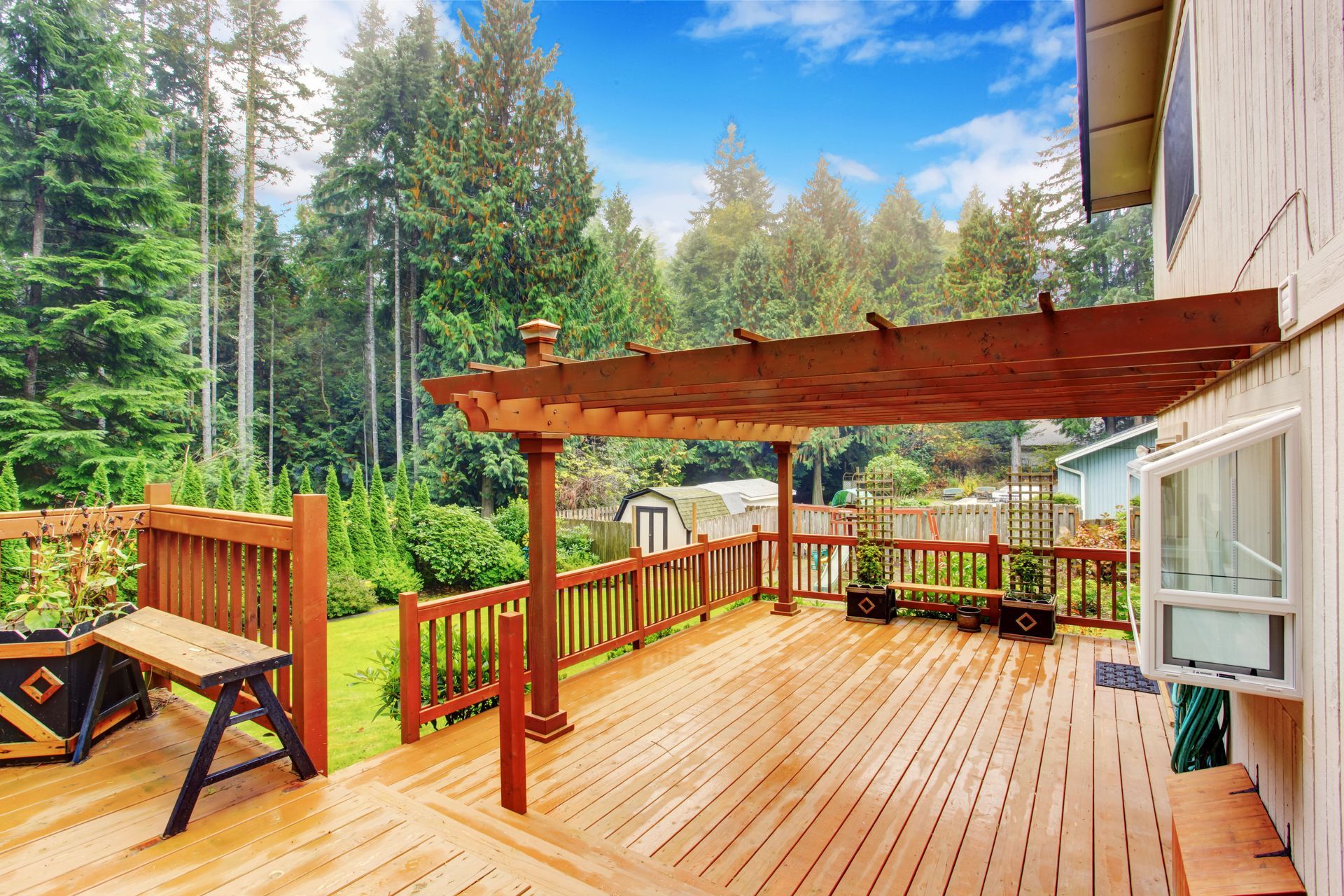
Pressure-treated lumber remains a familiar choice because it offers the natural look many homeowners associate with classic outdoor decks. Its visible grain and warm appearance can complement a wide variety of architectural styles. For homeowners who prefer a conventional wood aesthetic, this material can create an inviting transition between the home and the surrounding landscape.
Considering Its Initial Cost
One reason pressure-treated wood continues to be considered for deck installation is its relatively accessible upfront cost compared with some premium alternatives. The total price of any project depends on dimensions, design, site conditions, and labor, but the material itself can make traditional wood appealing to homeowners, balancing appearance with initial budget considerations.
Considering Its Maintenance Needs
Natural wood generally requires ongoing attention to preserve its appearance and limit weather-related deterioration. Staining, sealing, and other professional maintenance may be recommended over time, depending on exposure and climate. Homeowners should consider these long-term requirements when comparing pressure-treated lumber with lower-maintenance alternatives.
Considering Its Design Flexibility
Wood can be incorporated into many deck configurations and can work with different railing systems, stair designs, and architectural details. It can also be finished in a range of stains and tones, allowing homeowners to adjust its appearance to coordinate with siding, landscaping, or other exterior elements.
Choosing Cedar or Redwood
Considering Their Natural Color
Cedar and redwood are often selected for their rich tones and distinctive grain patterns. These woods can create a more refined natural appearance than standard treated lumber. When professionally incorporated into deck installation, they may be particularly appealing for properties where the deck serves as a prominent architectural or entertaining feature.
Considering Their Natural Characteristics
Both cedar and redwood contain natural properties that can help them resist certain forms of decay and insect activity. Their performance still depends on climate, exposure, installation quality, and maintenance, but these characteristics have helped make both species established choices for outdoor construction.
Considering Their Aging Appearance
Cedar and redwood can gradually develop a weathered tone if left unfinished. Some homeowners appreciate this changing appearance, while others prefer professional staining or sealing to preserve a richer original color.
Considering Their Maintenance Requirements
Although cedar and redwood offer natural durability, they are not maintenance-free. Routine care can help protect the surface and preserve the desired appearance. Homeowners should weigh the beauty of natural wood against the time and expense associated with maintaining it throughout the deck's service life.
Choosing Composite Decking
Considering Its Lower Maintenance
Composite decking has become popular among homeowners who want the appearance of wood without the same level of routine surface maintenance. Depending on the product, composite boards may resist common concerns such as splintering, staining, or fading more effectively than some traditional materials. This can make deck installation with composite products attractive for busy households.
Considering Its Consistent Appearance
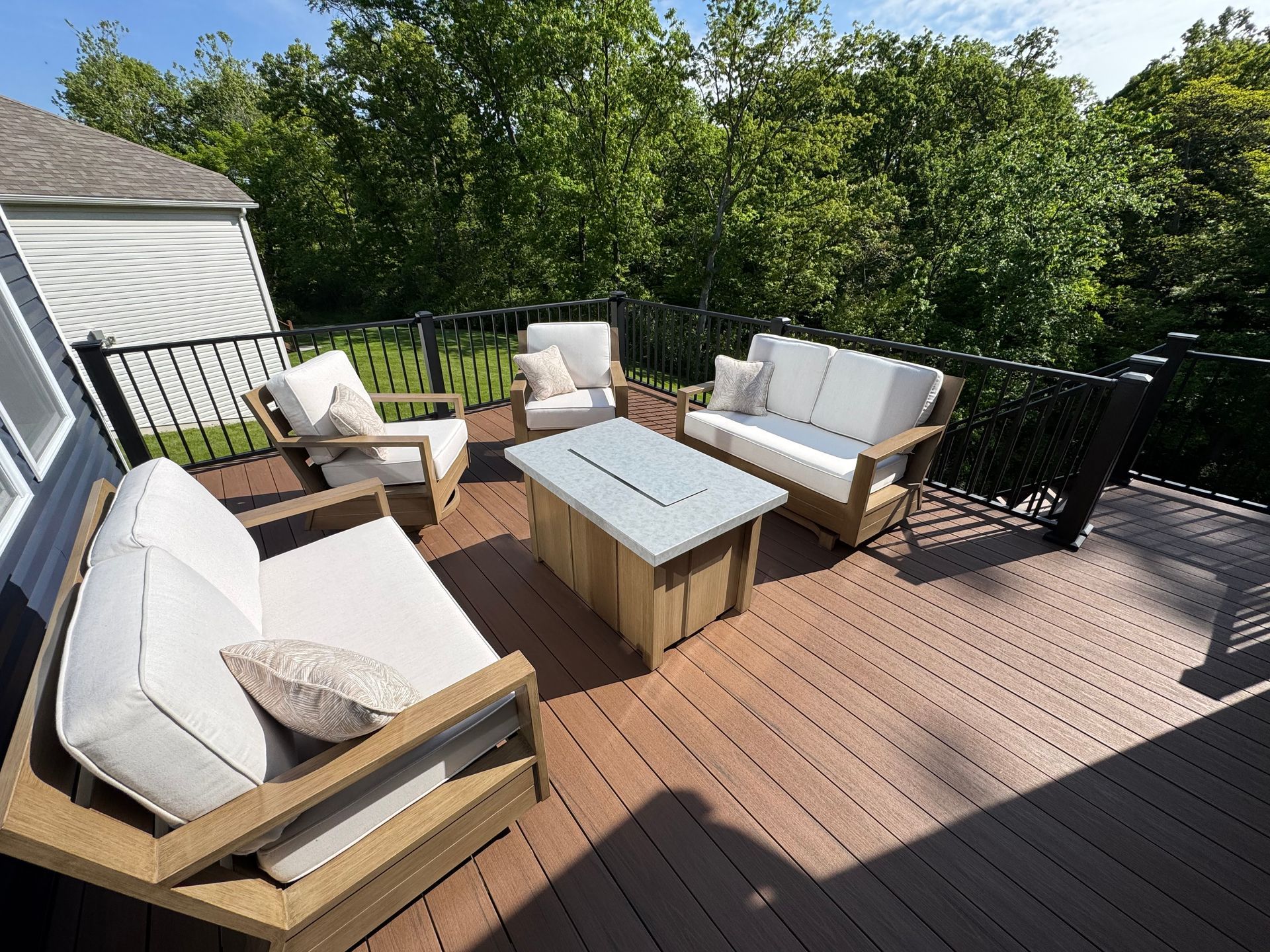
Manufactured decking tends to provide a more uniform appearance from board to board. Homeowners can choose among numerous colors, textures, and wood-inspired patterns. This consistency can make it easier to coordinate the deck with other exterior finishes while achieving a polished, predictable result.
Considering Its Long-Term Performance
Product quality and warranties vary among manufacturers, but many options are engineered to withstand moisture and seasonal weather changes. Professional contractors can help homeowners compare individual products based on expected performance and the conditions surrounding the property.
Considering Its Upfront Investment
Composite decking may cost more initially than some wood options, but homeowners often evaluate that investment alongside reduced maintenance demands. The appropriate choice depends on priorities, expected ownership period, design preferences, and willingness to maintain natural materials over time.
Choosing PVC Decking
Considering Its Moisture Resistance
PVC decking is manufactured without the organic wood fibers found in many composite products. Its resistance to moisture can make it worth considering for deck installation in environments where rain, humidity, or other exposure is a major concern. Product specifications should still be reviewed carefully to ensure suitability for the intended application.
Considering Its Lightweight Construction
Many PVC decking products are relatively lightweight, which can influence handling and installation. This characteristic does not eliminate the need for proper structural planning, but it distinguishes PVC from heavier options and can affect how professionals approach the overall deck system.
Considering Its Color Options
PVC products are available in a variety of colors and surface patterns, including styles designed to resemble natural wood. Homeowners can use these choices to coordinate the deck with exterior finishes while maintaining the clean, manufactured appearance associated with this material.
Considering Its Surface Performance
Because PVC decking is engineered for outdoor use, many products are designed to resist staining, moisture absorption, and surface deterioration. Performance varies by manufacturer and product line, so professional guidance can help homeowners understand the differences among available options.
Choosing Aluminum or Metal Decking
Considering Its Structural Strength
Aluminum and other systems may be appropriate where homeowners want a sturdy, long-lasting surface with different performance characteristics than wood-based products. Metal can also play a role in specialized deck installation projects requiring particular structural or architectural solutions.
Considering Its Weather Resistance
Quality metal decking is designed to withstand outdoor conditions without many of the problems associated with organic materials. Aluminum, for example, does not rot and is naturally resistant to rust. These characteristics can be beneficial in climates where moisture exposure is a recurring concern.
Considering Its Modern Appearance
It can complement modern homes, commercial-inspired designs, or properties featuring metal railings and architectural accents. Depending on the system, finishes may range from subtle neutrals to more distinctive colors.
Considering Its Long-Term Value
The upfront investment for metal decking may be higher than for several traditional choices, but its durability can make it appealing to homeowners focused on long-term performance. Comparing initial cost with expected maintenance and service life can provide a fuller picture of overall value.
Choosing the Right Material for the Property
Considering the Home's Architecture
The most appropriate deck material should complement the home's exterior rather than feel disconnected from it. Natural wood may suit traditional architecture, while composite, PVC, or metal can support transitional and contemporary designs. A professional deck installation plan can coordinate materials with siding, trim, railings, and landscaping.
Considering the Local Climate
Sun exposure, rainfall, humidity, temperature swings, and other environmental conditions can influence how decking materials perform over time. Contractors familiar with local conditions can explain which products are commonly used and how different materials respond to the surrounding climate.
Considering Everyday Use
A deck used for frequent entertaining may have different priorities than one intended primarily as a quiet sitting area. Household size, pets, furniture, traffic, and maintenance expectations can all influence material selection. Evaluating how the space will actually be used helps narrow the options.
Considering Long-Term Priorities
No single material is ideal for every homeowner. Some people prioritize natural appearance, while others value minimal maintenance, durability, or long-term performance. Professional guidance can help balance these priorities with budget and design goals so the finished deck fits both the property and the homeowner's expectations.
Pressure-treated lumber, cedar, redwood, composite, PVC, and metal all offer distinct advantages, making material selection one of the most important decisions in a new deck project. The best option depends on the home's design, local weather, maintenance preferences, budget, and how the outdoor space will be used. Homeowners considering a new deck can contact Keimar Contracting LLC today to discuss professional deck installation and explore materials suited to their property and long-term goals.